Understanding the World of SW Tooling
SW Tooling, a critical aspect in manufacturing and engineering, involves the design and use of tools essential for efficient production processes. This niche field ensures precision and enhances productivity, catering to various industries like automotive, aerospace, and electronics. Through this comprehensive guide, delve into the significance, applications, and advancements of SW Tooling, reflecting the expert opinions and recent innovations shaping the future of the industry.
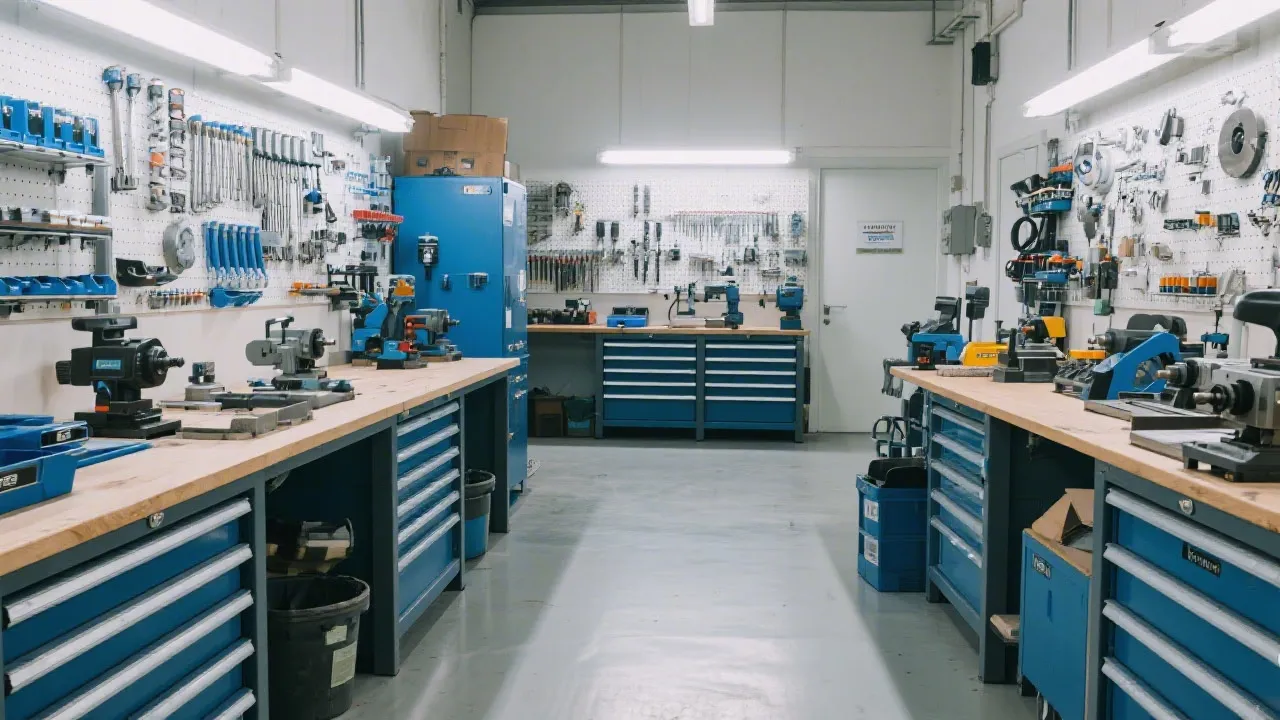
The Evolution and Importance of SW Tooling
SW Tooling, spanning various industries, represents the backbone of modern manufacturing processes. As a field centered on the design, creation, and utilization of tools used in the production sector, SW Tooling has evolved exponentially with technological advancements over the past few decades. It plays a pivotal role in enhancing production efficiency, ensuring the precision of manufactured parts, and supporting the assembly of complex products. The evolution from manual craftsmanship to computer-aided processes illustrates the profound changes in SW Tooling and how they have affected manufacturing standards globally.
Sustainable manufacturing practices and the integration of eco-friendly materials have also been pivotal in the evolution of SW Tooling. As industries increasingly focus on sustainability and reducing environmental footprints, SW Tooling methods have adapted to accommodate these principles. The interplay between traditional SW Tooling methods and advancements in materials science has led to significant innovations, impacting everything from tool durability to the recyclability of end products.
Moreover, as consumer demand has changed, driven by technological innovation and market trends, manufacturers have adapted their tooling systems accordingly. The shift towards more customizable and rapid production cycles has necessitated more flexible tooling systems capable of adapting to various manufacturing needs on-the-fly. This evolution signifies that the future of SW Tooling is not only about improving efficiencies but also about enhancing versatility in production methods.
Core Functions and Applications of SW Tooling
The primary function of SW Tooling revolves around facilitating manufacturing operations requiring high precision, ensuring product consistency, and minimizing errors in mass production. Industries such as automotive, aerospace, electronics, and medical devices heavily rely on SW Tooling to maintain competitive standards of functionality and quality. Each of these sectors has its unique challenges and demands, driving innovations in SW Tooling that enhance capabilities and performance.
In the automotive sector, for instance, SW Tooling is indispensable in producing intricate components like engine parts, transmission systems, and electronic control modules. The complexity of the modern vehicle, with its numerous sensors and electronic components, requires ever-more sophisticated tooling capabilities. Moreover, the recent transition to electric vehicles has prompted automotive manufacturers to research and develop new tooling techniques that cater specifically to the production of batteries and electric drive components, thereby extending the application of SW Tooling into areas previously unimagined.
Aerospace companies harness SW Tooling to maintain the tight tolerances required for parts like turbine blades and fuselage panels. These components must endure extreme conditions, and therefore, the tooling processes not only need to ensure precision but also to account for material properties under stress. The critical nature of aerospace tooling means that even minor variations can have catastrophic consequences, necessitating rigorous quality assurance protocols and advanced testing methodologies alongside cutting-edge tooling technology.
In the electronics industry, SW Tooling is equally vital. The production of printed circuit boards (PCBs) and microchips requires extremely precise tooling methods capable of adhering to the smallest tolerances. The rapid pace of technology in this sector demands that tooling systems can keep up with continuously changing designs and configurations while ensuring cost efficiencies in mass production settings. Therefore, the integration of SW Tooling with automated systems and real-time production monitoring is becoming increasingly important.
The medical device industry also benefits significantly from advancements in SW Tooling. Devices ranging from simple syringes to complex surgical robots require precision manufacturing to adhere to strict regulatory standards. The tooling for such devices must not only comply with quality standards but also allow for scalability and customization needed to meet diverse healthcare demands. Innovations in SW Tooling have led to specialized manufacturing techniques that cater to the unique needs of the medical industry, ensuring patient safety and product efficacy.
Advancements in SW Tooling Technology
The field of SW Tooling has witnessed significant technological advancements, propelling the manufacturing industry into new realms of efficiency and precision. Key technological strides include the integration of Computer Aided Design (CAD) and Computer Aided Manufacturing (CAM) software, allowing for more intuitive design processes and seamless transitions from design to production. This integrated approach minimizes errors that can occur when transitioning designs between software platforms, enhancing overall productivity.
Furthermore, the advent of 3D printing has revolutionized prototype development within SW Tooling, enabling rapid and cost-effective fabrication of complex geometries. This process not only allows for quick iterations but also fosters innovation by enabling designers and engineers to experiment with new concepts without the risk of incurring high costs associated with traditional prototyping methods. Furthermore, the use of metal 3D printing technologies has expanded the range of materials available for tooling, which adds further versatility in applications.
Additionally, automation and CNC (Computer Numerical Control) machining have transformed how tools and dies are manufactured, providing unmatched accuracy and reducing the time required for production. CNC technology allows for the automation of repetitive tasks, which not only increases throughput but also significantly reduces the potential for human errors, resulting in higher-quality products. The use of intelligent algorithms can also optimize the machining process in real-time, leading to significant material savings and reduced wear on tooling equipment.
The concept of ‘smart tooling’ has emerged as a focal point of development in SW Tooling technology. These tools use IoT (Internet of Things) technology to gather data on their performance, providing manufacturers with insights that can be used to optimize production processes further. This data-driven approach allows for predictive maintenance of tooling, leading to lower downtime and extended tool life. Coupled with advancements in machine learning, manufacturers can refine their tooling strategies based on patterns and predictive analytics drawn from historical performance data.
SW Tooling: Challenges and Solutions
Despite its benefits, SW Tooling presents multiple challenges that industry professionals must navigate. These challenges include high initial costs for tool development, the need for skilled labor, and the constant demand to stay abreast of technological advancements. The dynamic nature of the manufacturing sector means that companies must invest continually in new technologies and processes while managing the associated financial risks.
Addressing these challenges requires strategic investment in training programs to upskill the workforce, fostering partnerships between tool manufacturers and educational institutions, and embracing innovation through research and development. Training a skilled workforce is critical as the complexity of SW Tooling increases; as technology evolves, so too must the skill set required to operate and maintain high-tech tools.
Emphasizing sustainable practices and leveraging digital twins – virtual replicas of physical tools for testing and simulation – can further drive efficiency and reduce the environmental impact of tooling operations. Digital twins allow manufacturers to optimize their tooling before physical production begins, identifying potential problems and improving processes without the waste of materials or time. Through simulations, companies can assess performance under various conditions, ensuring that tools perform reliably in practice.
Another significant challenge in SW Tooling is the industry's increasing demand for customization and quick turnaround times. To remain competitive, companies are integrating agile manufacturing practices, enabling them to respond to customer needs faster. Implementing modular tooling systems that can be easily reconfigured or modified allows manufacturers to produce a wider variety of components without incurring prohibitive costs associated with completely new tooling setups.
Finally, as globalization continues to shape the manufacturing landscape, companies face challenges related to supply chain management and sourcing materials. Disruptions in global supply chains can lead to shortages in crucial tooling materials, impacting production schedules. Therefore, companies are increasingly focused on diversifying their supply chains and investing in local sourcing programs to mitigate risks associated with external dependencies.
FAQs
- What is SW Tooling? SW Tooling refers to the process and systems used to design and produce tools and machines primarily used in manufacturing and production settings.
- Why is SW Tooling crucial in manufacturing? It ensures the precision and consistency of parts, supports complex assembly processes, and enhances overall production efficiency, which are critical for maintaining quality standards.
- What industries benefit from SW Tooling? Automotive, aerospace, electronics, and medical device industries are key beneficiaries due to their need for high precision, safety regulations, and efficiency in production.
- How has technology impacted SW Tooling? Technological advancements like CAD/CAM software, 3D printing, and CNC machining have significantly improved design precision, reduced production time, and lowered costs while enhancing flexibility.
- What are the challenges facing SW Tooling today? Key challenges include high upfront costs, a shortage of skilled labor, the need to continually integrate new technologies, and increasing customization demands from clients.
- How do sustainable practices influence SW Tooling? Sustainable practices in SW Tooling focus on reducing waste, utilizing eco-friendly materials, and developing processes that minimize the environmental impact, aligning with global manufacturing trends.
| Technological Advancement | Impact on SW Tooling |
|---|---|
| CAD/CAM Integration | Improved design accuracy and transition from digital models to real-world tools, enhancing production efficiency. |
| 3D Printing | Enabled rapid prototyping and affordable small batch production, allowing for innovation in design processes. |
| CNC Machining | Enhanced manufacturing precision and reduced tool production time, minimizing errors and waste. |
| Automation | Increased efficiency and reduced the need for manual intervention, contributing to higher consistency in outputs. |
| Digital Twins | Allowed for real-time simulation and performance prediction, improving design verification and reducing material waste. |
| Smart Tooling | Facilitated data-driven insights into tool performance, optimizing maintenance and production processes. |
Global Perspectives on SW Tooling
As SW Tooling continues to evolve, it is essential to examine global perspectives and the varying impacts of technological advancement across different regions. In regions such as North America and Europe, there is a significant push towards automation and smart manufacturing, reflecting advanced infrastructure and substantial investment in technology. Countries in these regions lead the way in implementing Industry 4.0 technologies, which integrate cyber-physical systems and IoT into manufacturing systems. This has further solidified the role of SW Tooling as a critical component in maintaining competitiveness on a global scale.
In contrast, emerging economies in Asia and Africa are witnessing rapid industrialization phases, with a growing emphasis on upgrading tooling processes. Countries like China are increasingly investing in high-tech manufacturing capabilities, which includes advancements in SW Tooling technologies. This not only raises the standards of their local manufacturing sectors but also positions these countries as formidable players in the global market. As local industries develop tooling capabilities that meet international standards, manufacturers are likely to benefit from reduced costs and increased export opportunities in various sectors.
Moreover, the global focus on sustainability affects how countries approach SW Tooling. Many governments are implementing policies that encourage sustainable manufacturing practices. This is manifesting in funding for research in eco-design methods, renewable materials for tooling, and technologies that lower carbon footprints in manufacturing processes. As sustainability becomes a critical aspect of global industry standards, SW Tooling will need to adjust to innovations and processes that adhere to these new regulations.
Future Trends in SW Tooling
Looking ahead, several trends are poised to shape the future of SW Tooling significantly. Artificial Intelligence (AI) is set to exert a strong influence on design and production processes, enabling more precise predictions for tool performance and lifespan. By analyzing vast amounts of data gathered from manufacturing processes, AI can optimize workflows, reduce downtime, and enhance the predictability of tool maintenance schedules.
Additionally, the rise of collaborative robots, or cobots, will redefine how human operators interact with tooling systems. These robots are designed to work alongside human workers, enhancing capabilities while reducing the burden of repetitive tasks. The integration of cobots into SW Tooling will not only improve productivity but also ensure that skilled labor can focus on tasks that require creativity and strategic thinking.
Augmented reality (AR) and virtual reality (VR) technologies are also making their way into SW Tooling applications. By utilizing AR in the tooling processes, workers can receive real-time guidance and superimpose digital information over their physical workspace. This enhances accuracy and can sharply reduce training times for new employees by immersing them in realistic scenarios before they enter the production environment.
Ultimately, the future of SW Tooling is intertwined with broader trends in digital transformation, making adaptability and continuous learning paramount for organizations aiming to thrive in competitive markets. As manufacturing continues to embrace digital threads and interconnected ecosystems, the role of SW Tooling will be integral in forging a path toward innovation and excellence.
Conclusion
SW Tooling remains a foundational element in modern manufacturing, with its impact visible across various sectors that demand high precision and efficiency. As technology continues to advance, professionals in the field must adapt to remain competitive and meet the dynamic needs of global industries. Through strategic investments, innovation, and continuous learning, the future of SW Tooling holds potential for even greater contributions to industrial progress. Ultimately, this evolution encompasses not only improvements in tooling accuracy but also the overarching goal of sustainable and efficient production practices that can pave the way for the next generation of manufacturing excellence.